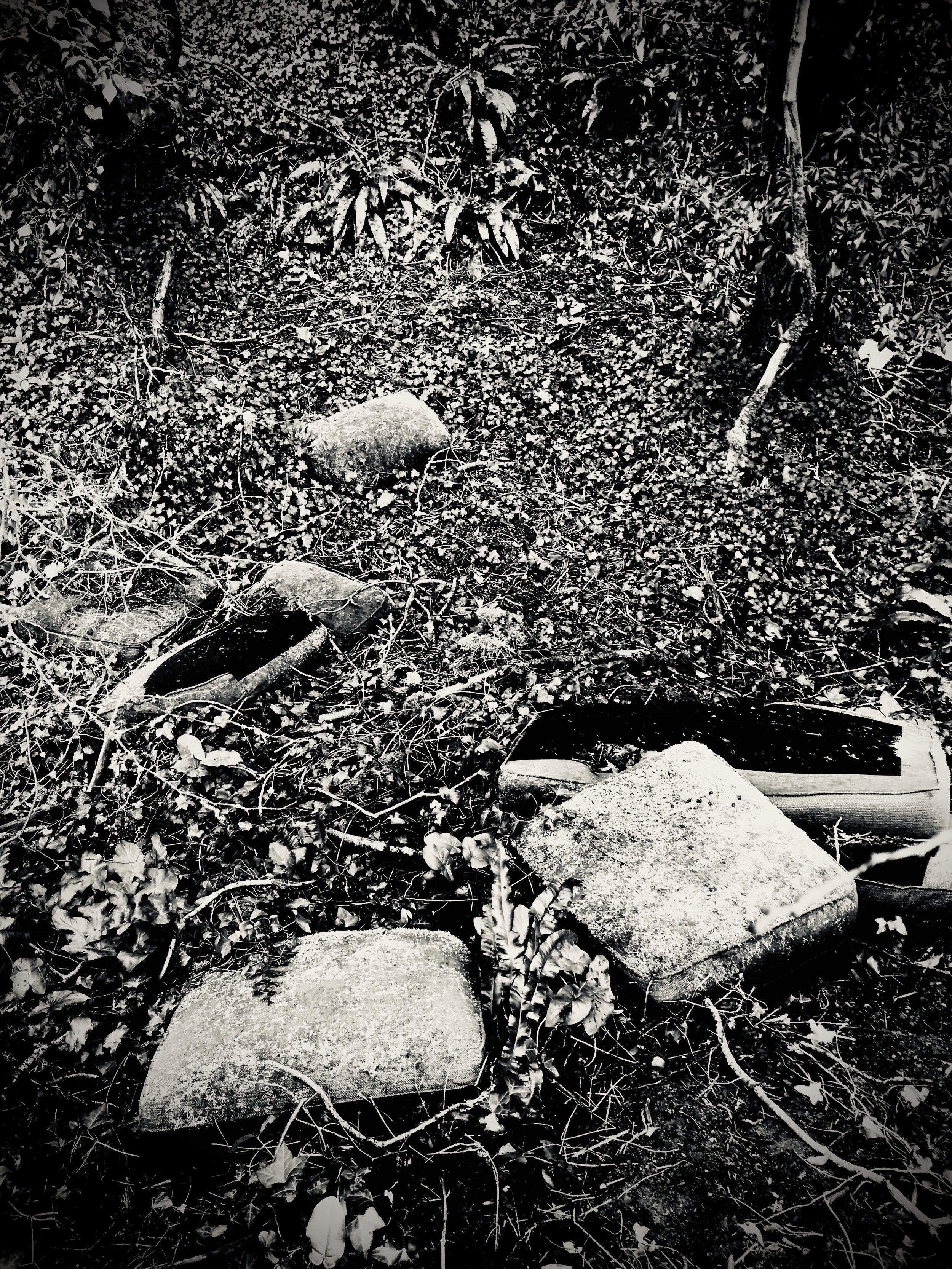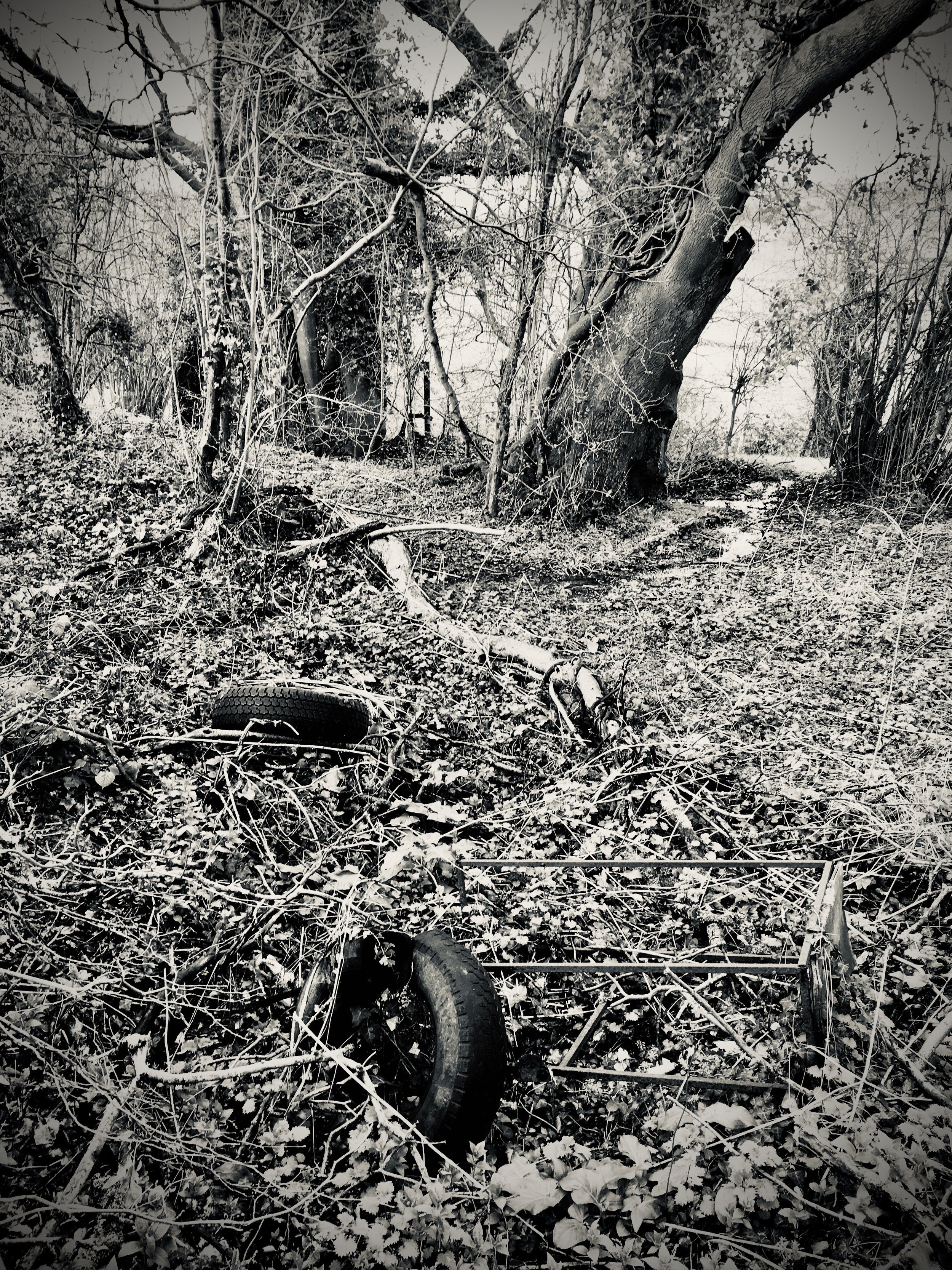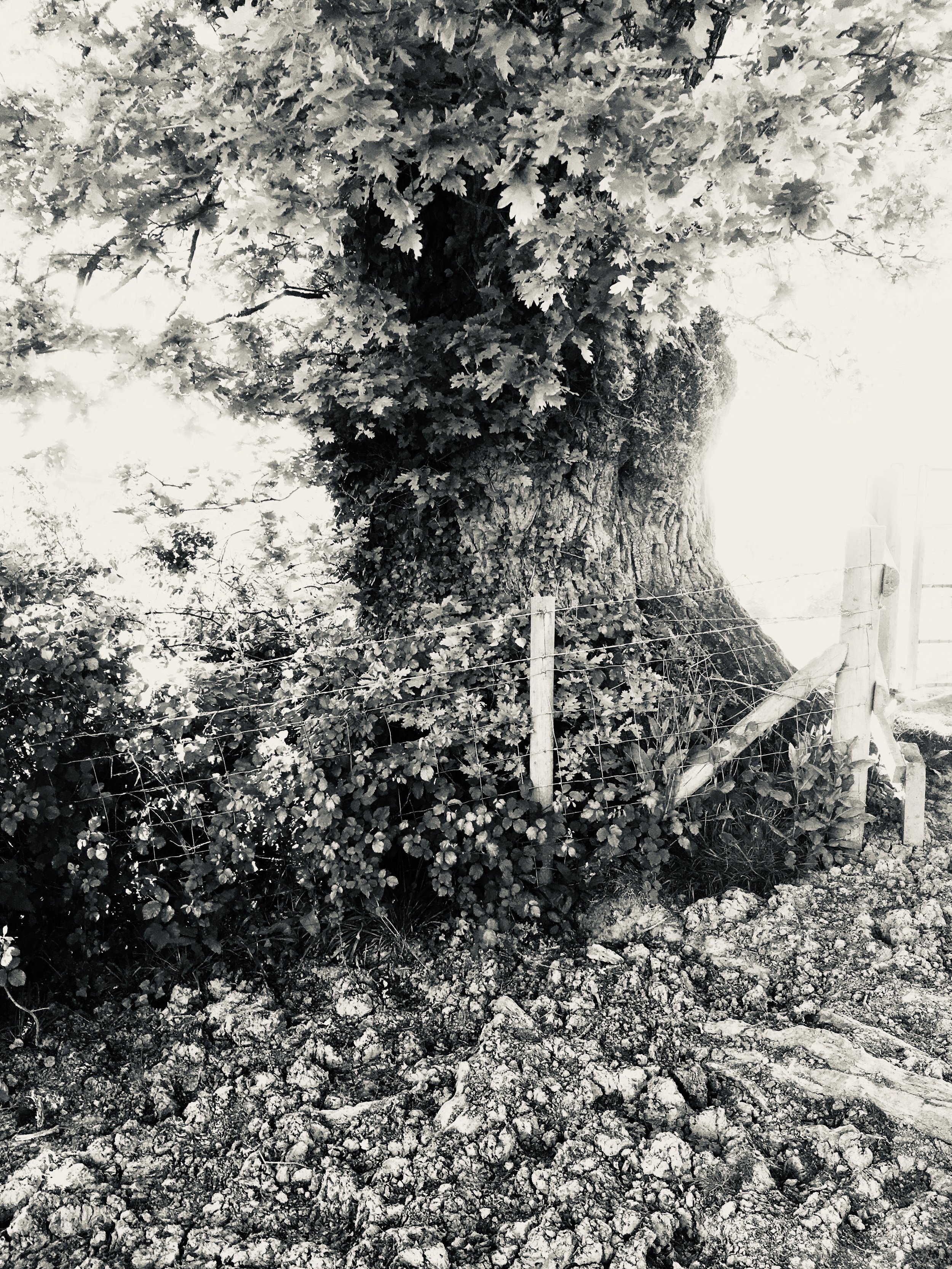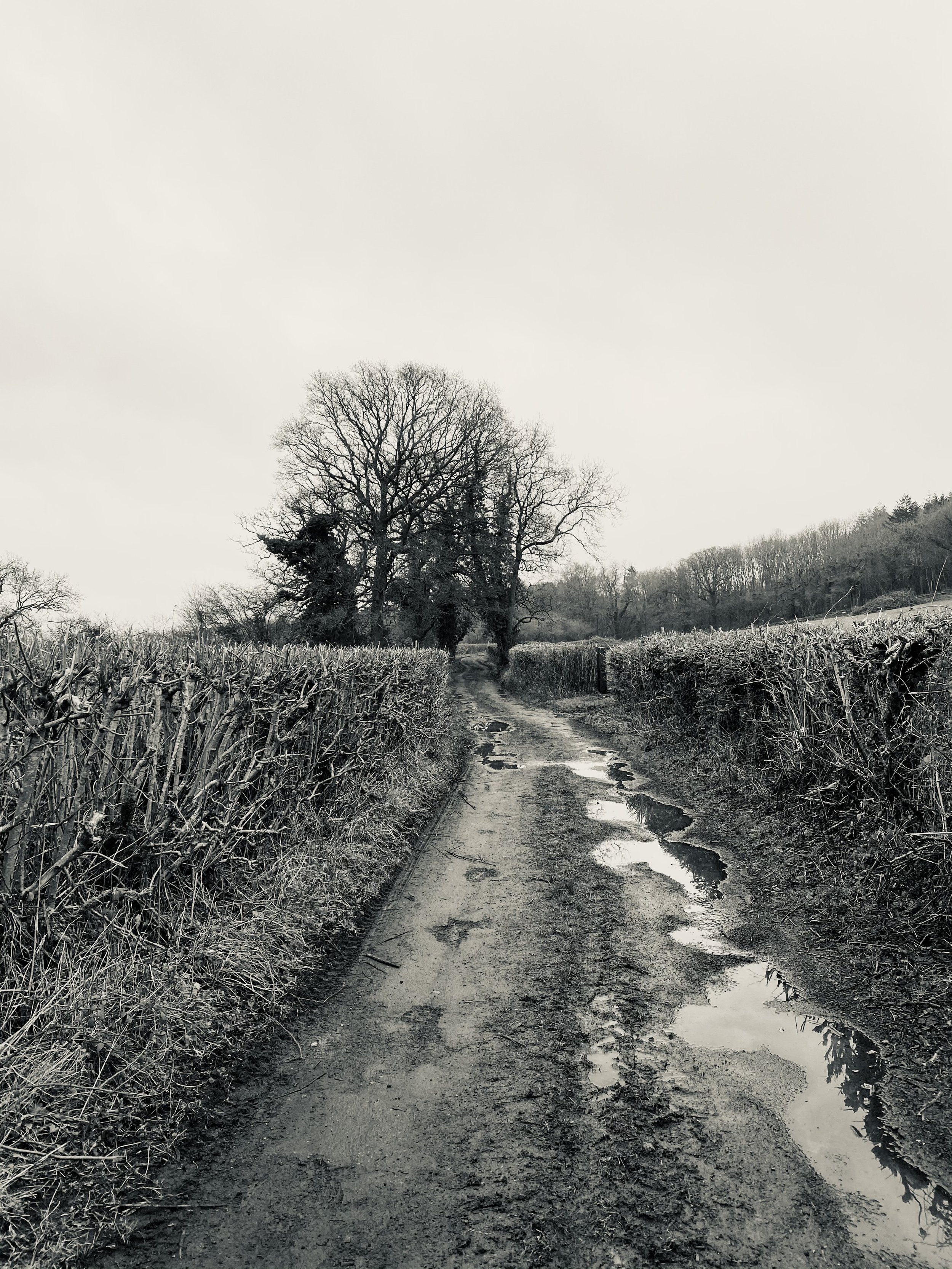
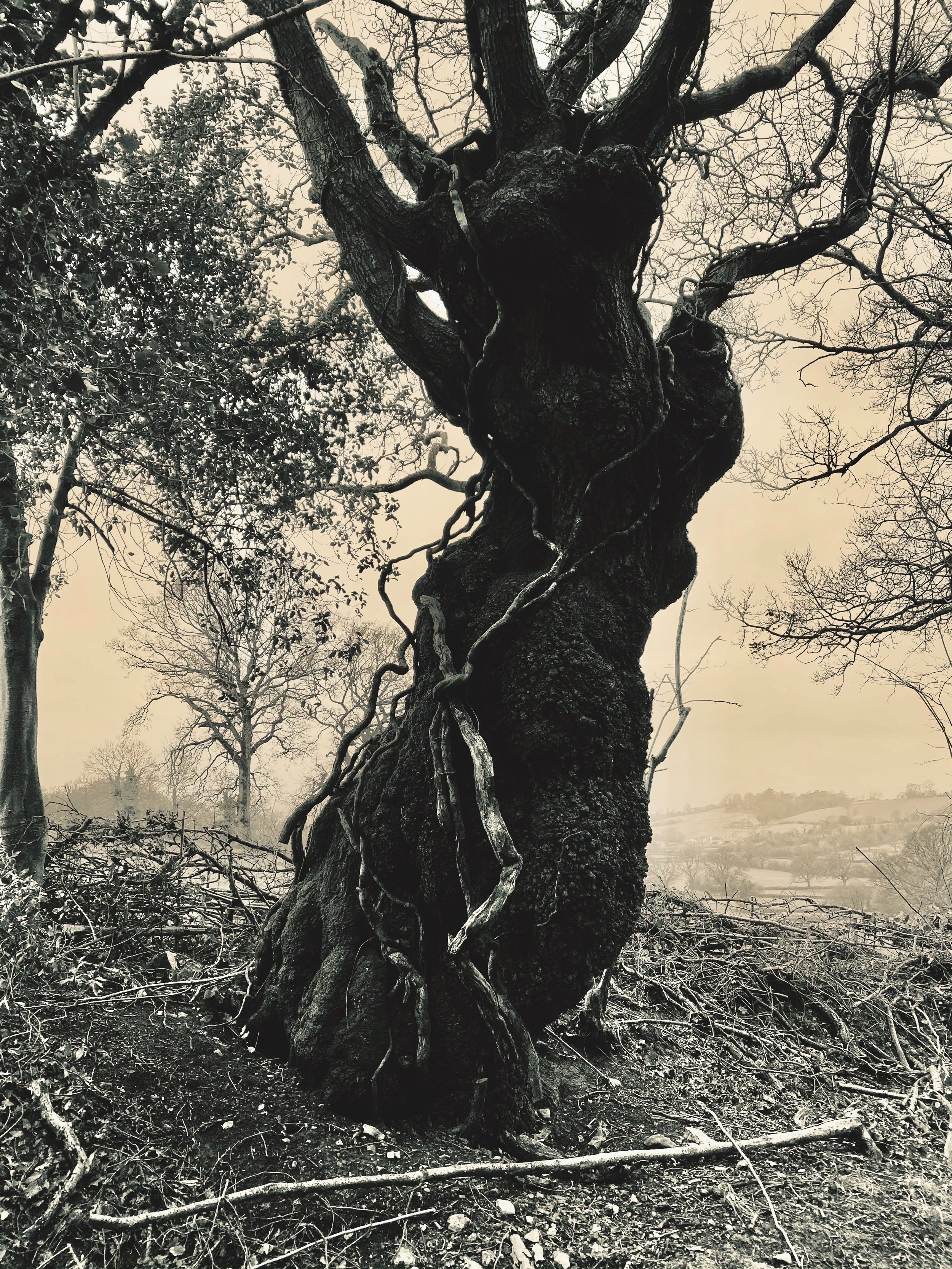
Photographic images inform every part of my work, feeding into my photo gravure and ceramic work. I am becoming increasingly interested in recognising these images as artefacts in their own right, rather than a means to an end.
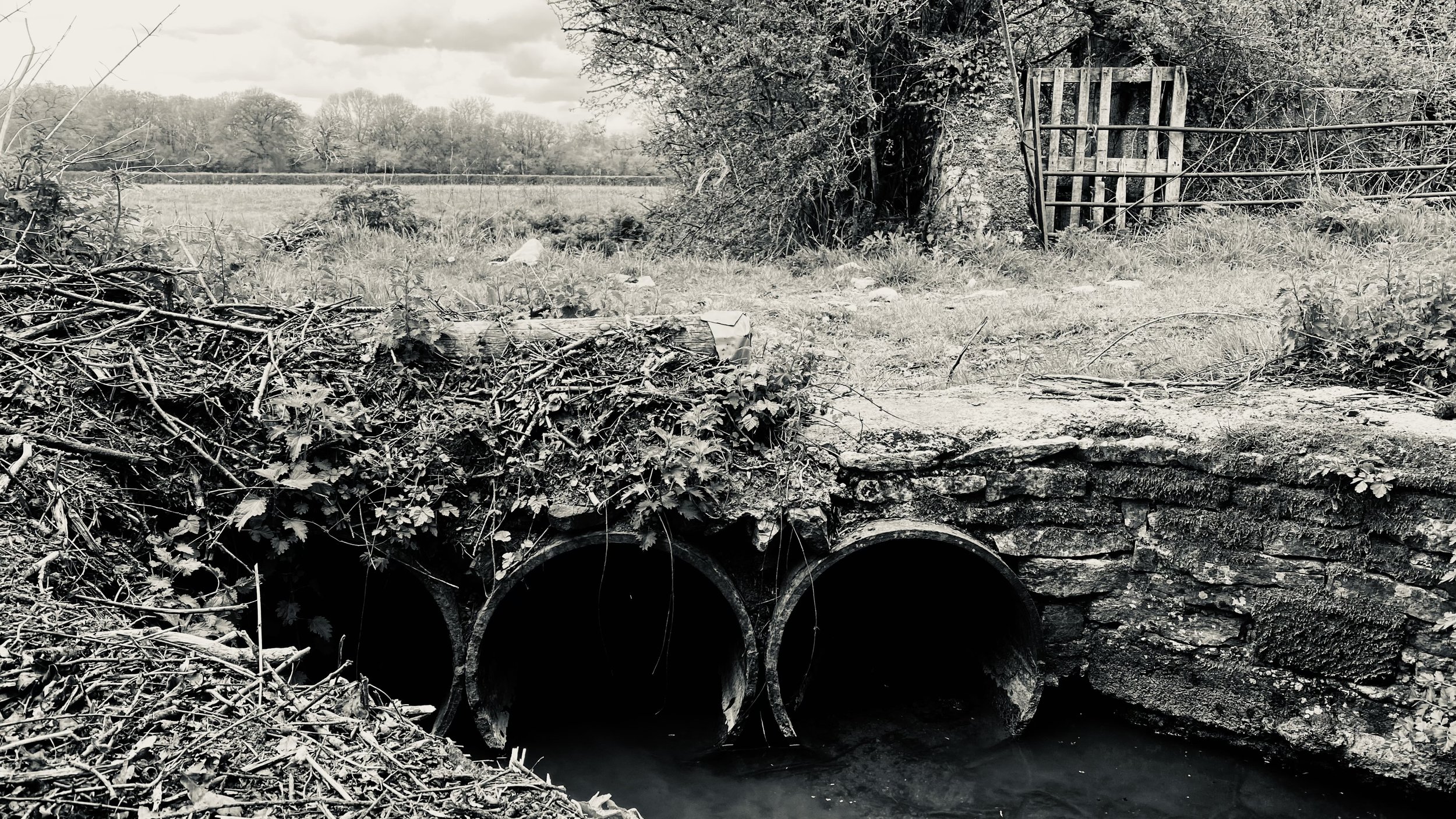
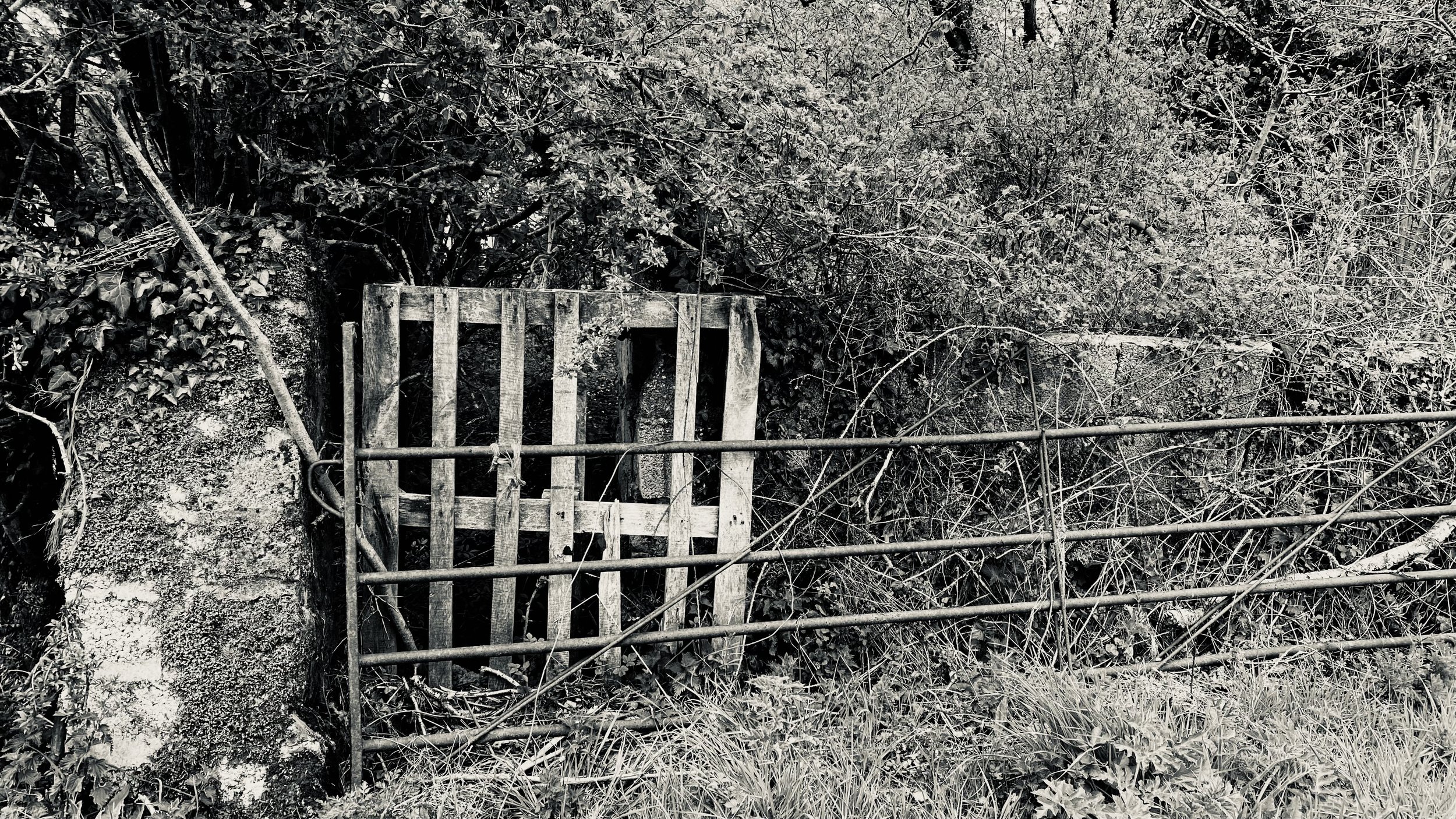
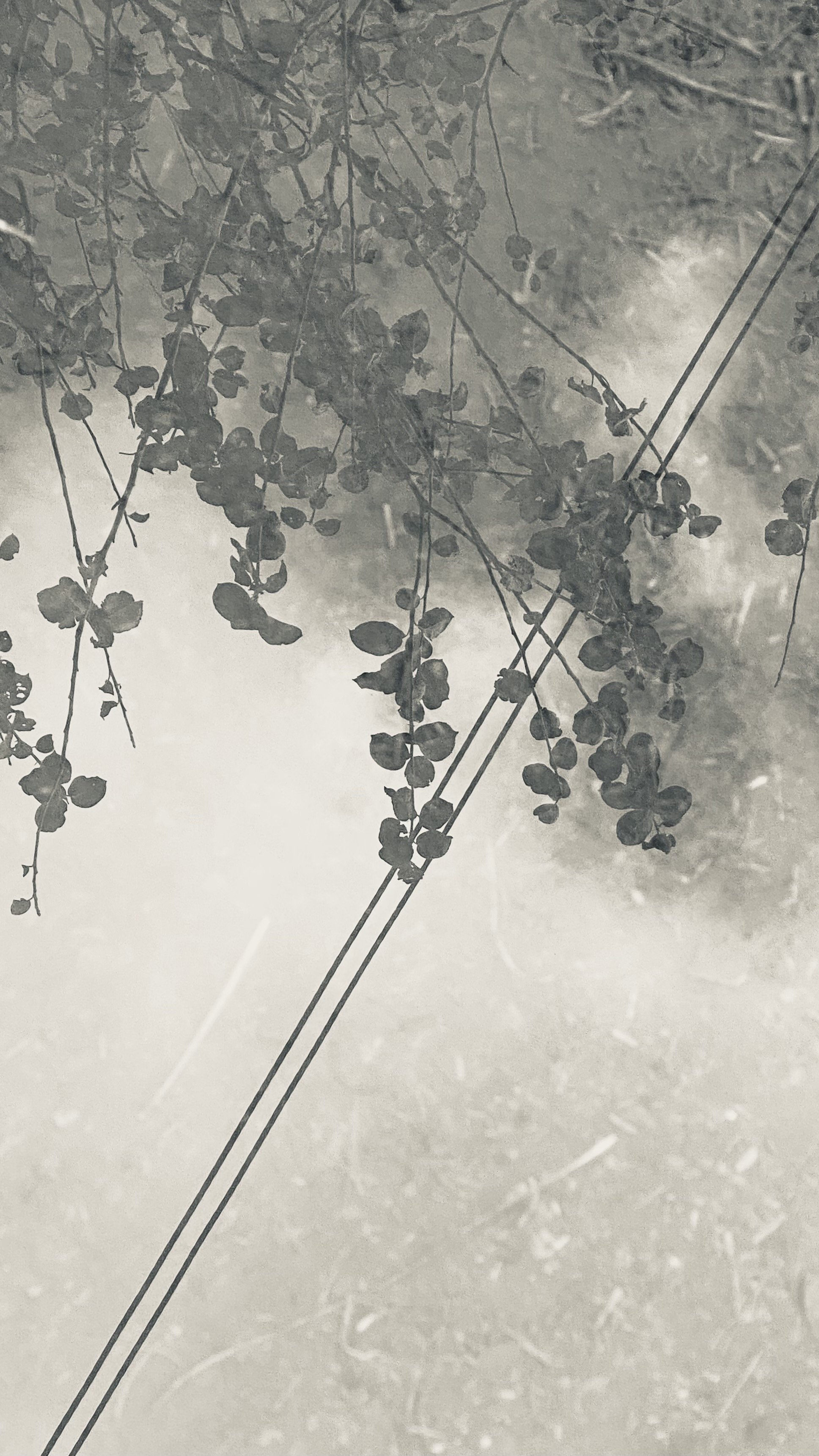
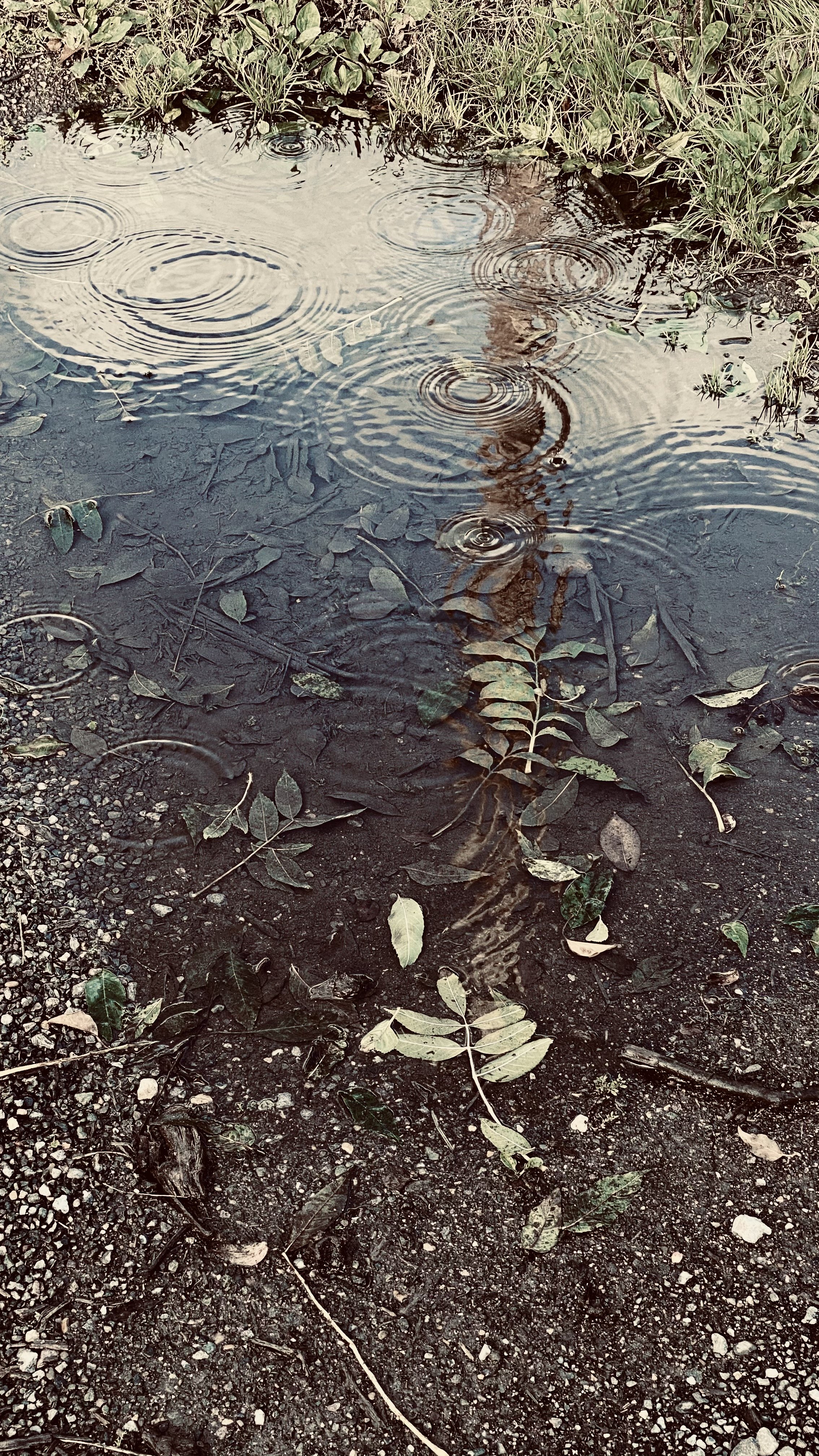
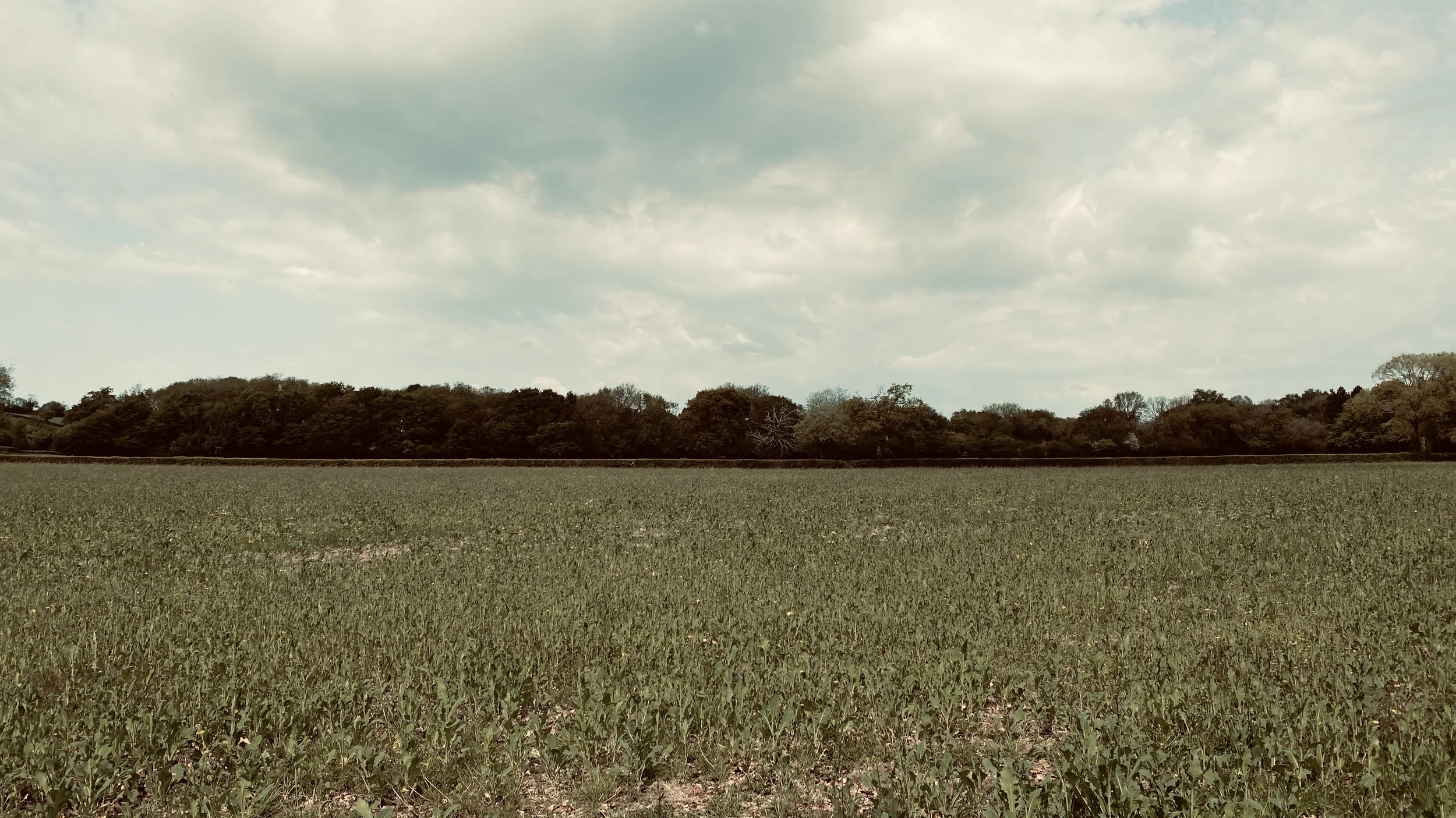
My current photographic work focuses on building an archive of images from the landscape around my village, focusing on the ancient ‘Hollowmarsh’.. I am particularly fascinated by those images which capture the interplay between landscape and people, and the transience of reflection, light and weather.
My photographs increasingly emerge through direct, lived engagement with particular sites within the Litton landscape. Encounters with places such as the burnt tree and the ploughed Hollowmarsh field trigger reflections on loss, memory and environmental change, revealing how landscape acts both as archive and as catalyst for personal experience.
I regularly walk through Long Dole field, following my practice of photographing as I walked, recording the date, time and place. The photographs taken through my repeated interaction over many hours with Long Dole field grew in significance over the next year. In June 2022 the field was a mass of wild flowers, teeming with insect life. When I next walked through Long Dole field in September, the meadow grass and wildflowers had been cut for hay, but I felt no a sense of trepidation until I drew near the burnt tree. The limbs had been gathered from their scattering through the edge grass and piled together ready for another burning. I took some of the smaller branches home with me, the larger branches were too heavy to carry. I felt a great sense of desolation over the changes being made to this place and worried why the tree had been cleared after so many years.
When I returned two weeks later the tree had gone, a pile of black charcoal twigs and cindered mud in its place. The meadow grass, sprayed with chemicals, looked singed and sickly yellow.